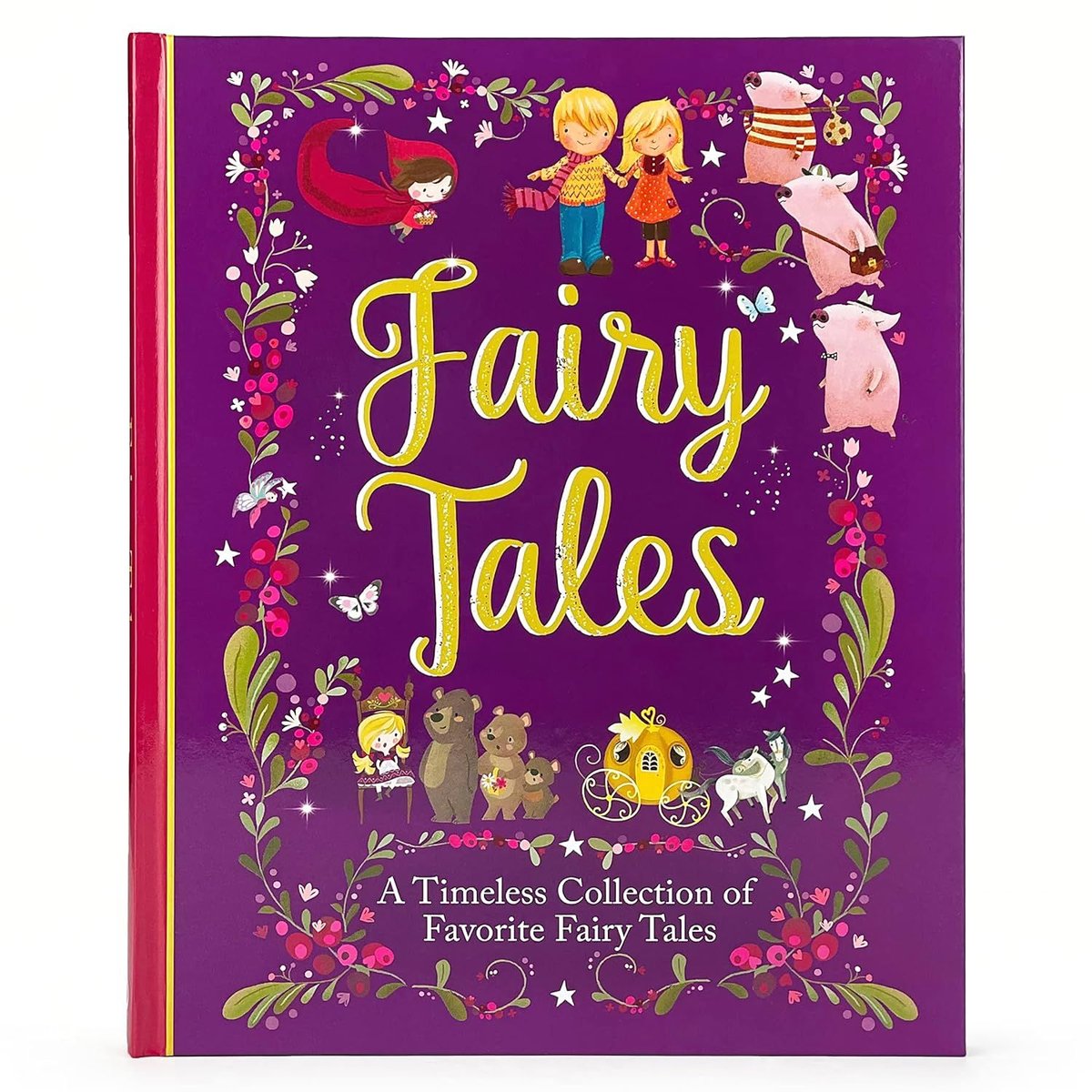
Step into a world where enchanted forests hide cunning beasts, virtuous maidens outwit wicked stepmothers, and magic mirrors reveal hidden truths. For centuries, Classic French Fairy Tale Stories (Synopsis & Analysis) have captivated imaginations, shaping our understanding of fantasy, morality, and human nature. Far from mere children's bedtime tales, these stories were originally crafted for sophisticated adult audiences, reflecting the complex social fabric and intellectual currents of 17th and 18th-century France.
Ready to journey beyond the Disney versions and uncover the rich, often surprising origins of these beloved narratives? Let's peel back the layers and explore the magic, meaning, and enduring legacy of these quintessential French tales.
At a Glance: Key Takeaways from French Fairy Tales
- Adult Origins: Unlike modern perceptions, French fairy tales were initially written for an educated, aristocratic, and bourgeois adult audience, often read in salons.
- Female Prowess: Women authors played a dominant role, particularly between 1690-1720, contributing significantly more tales than their male counterparts.
- Beyond Perrault: While Charles Perrault is iconic, writers like Madame d’Aulnoy were equally, if not more, popular in their time, known for their wit and elaborate narratives.
- Societal Mirror: These tales offer a fascinating window into the social norms, anxieties, and aspirations of their era, from arranged marriages to class dynamics.
- Enduring Influence: Their themes, characters, and plotlines have profoundly influenced literature, art, and popular culture worldwide, from folklore studies to modern cinema.
When Fairies Reigned: The Golden Age of French Storytelling
The period between 1690 and 1720 marked a literary renaissance in France, a time when fairy tales truly "reigned the world of literature," as noted by frenchfairytales101.weebly.com. This wasn't a sudden explosion but rather the culmination of a long oral tradition colliding with a burgeoning literary culture. These tales, far from being simplistic fables, were intricate narratives designed to entertain and enlighten the elite, particularly the highly cultured bourgeois and aristocratic circles.
What's particularly striking about this era is the prominent role played by women. Historically, storytelling was often a communal, oral activity. But in the late 17th century, women seized the pen, transforming these narratives into written art forms. According to historical records, "seven women wrote 74 tales while nine men created 38 tales total" during this period, demonstrating a significant female dominance in this emerging genre. These women, often writing under pseudonyms or anonymously, found a unique voice in fairy tales to subtly critique societal norms, explore female agency, and weave elaborate fantasies that captivated their readers.
The Pillars of French Fairy Tales: Perrault & D’Aulnoy
While many talented authors contributed to the French fairy tale canon, two names stand out as titans of the genre: Charles Perrault and Marie-Catherine d’Aulnoy. Their distinct styles and enduring stories formed the bedrock of what we now recognize as Classic French Fairy Tale Stories.
Charles Perrault: The Moralist and His Modern Legacy
Charles Perrault (1628–1703) was a prominent figure in the French literary world, a member of the Académie française, and a key participant in the Quarrel of the Ancients and the Moderns. He published Histoires ou contes du temps passé, also known as Mother Goose Tales, in 1697. What set Perrault's tales apart was his explicit moral at the end of each story, reflecting the didactic purpose often intertwined with entertainment in his era. His versions often served as cautionary tales, subtly reinforcing the social etiquette and moral codes of the court.
Here’s a look at some of his most influential contributions:
1. Cinderella, or The Little Glass Slipper (Cendrillon ou La Petite Pantoufle de Verre)
- Synopsis: A kind and beautiful girl, Cendrillon, suffers under the cruelty of her stepmother and two stepsisters. Forbidden from attending the royal ball, she is visited by her fairy godmother who transforms her rags into a magnificent gown, a pumpkin into a carriage, mice into horses, and a rat into a coachman, with the warning that the magic will only last until midnight. At the ball, she captivates the Prince, but must flee at the stroke of twelve, leaving behind a single glass slipper. The Prince searches the kingdom, finding her when the slipper fits her foot perfectly. She then marries him, forgiving her stepsisters (who are allowed to marry noblemen at her behest in Perrault's version).
- Analysis: Perrault's Cinderella emphasizes the virtues of patience, goodness, and piety, suggesting that such qualities will ultimately be rewarded, especially in a woman destined for a good marriage. The glass slipper, a unique element to his version (often attributed to a mistranslation of 'vair,' meaning squirrel fur, to 'verre,' glass), became an iconic symbol of impossible fit and ultimate destiny. This tale reflects the social anxieties surrounding status and marriage in 17th-century France, where a good match was paramount for a woman's future. Its enduring appeal lies in its wish-fulfillment fantasy and the triumph of virtue over adversity.
2. Sleeping Beauty (La Belle au bois dormant)
- Synopsis: A king and queen, after many years, are blessed with a daughter. At her christening, fairies are invited, but one old fairy is overlooked. Angered, she curses the princess to prick her finger on a spindle and die when she is fifteen. Another good fairy mitigates the curse, changing it to a hundred-year sleep, from which she will be awakened by a prince. The king bans all spindles, but the princess eventually finds one and pricks her finger, falling into a deep slumber along with everyone in the castle. A thorny forest grows around it, protecting her. After a hundred years, a prince discovers the castle, enters, and finds the beautiful princess. He falls in love and she awakens. They marry and have two children. However, the prince's mother is an ogress who tries to devour the princess and her children. They escape, and the ogress eventually falls into a pit of vipers she prepared for them.
- Analysis: Perrault's Sleeping Beauty is a two-part narrative, with the ogress sequence often omitted in modern retellings. This tale explores themes of fate, the power of curses, and the inevitable triumph of destiny. The long sleep can be seen as a metaphor for adolescence or a protective cocoon before entry into adulthood and marriage. The darker, second half, highlighting the ogress mother-in-law, introduces a chilling element of maternal jealousy and societal dangers, showcasing the sometimes-brutal realities beyond the initial "happily ever after." It serves as a reminder that threats can come from unexpected places, even within the family.
3. Little Red Riding Hood (Le Petit Chaperon Rouge)
- Synopsis: A young, naive girl, wearing a red cape, is sent by her mother to deliver food to her ailing grandmother. She encounters a wolf, who charmingly convinces her to stray from the path to pick flowers. The wolf races ahead, devours the grandmother, disguises himself in her clothes, and then devours Little Red Riding Hood when she arrives. Perrault's tale ends here with the wolf sated.
- Analysis: Perrault's Little Red Riding Hood is starkly different from later versions (like the Brothers Grimm's, which include a woodsman rescue). It's a grim cautionary tale, explicitly warning young women against the dangers of conversing with strangers, particularly charming men. The "wolf" is a clear metaphor for seducers and predators. The red cloak symbolizes innocence and vulnerability, making the girl an easy target. The story's chilling ending serves as a severe moral lesson about obedience, vigilance, and the perils of naiveté, reflecting the societal pressures and dangers young women faced in the 17th century.
4. Puss in Boots (Le Maître chat ou le Chat botté)
- Synopsis: The youngest son of a miller inherits nothing but a cat when his father dies. The clever cat, however, requests a pair of boots and a sack. Using cunning and deception, the cat tricks the king, a powerful ogre, and the entire court into believing his master is the wealthy and noble Marquis of Carabas. Through a series of elaborate schemes, including acquiring a magnificent wardrobe for his master and orchestrating a fake drowning, Puss secures his master's fortune and a marriage to the king's daughter.
- Analysis: Puss in Boots stands out among Perrault's tales for its celebration of wit, resourcefulness, and social mobility, even if achieved through trickery. Unlike the passive heroines of other tales, the protagonist here is the incredibly active and manipulative cat. It challenges the established social order by showing how intelligence and strategic deception can elevate one's status, appealing to a bourgeois audience eager for advancement. The tale can be seen as a commentary on the fluid nature of identity and the power of appearances in society.
Madame d’Aulnoy: The Enchantress of Elaborate Fantasy
Marie-Catherine Le Jumel de Barneville, Baroness d’Aulnoy (1650/51–1705), was another prolific and incredibly popular French writer of fairy tales. Often credited with coining the term "contes de fées" (fairy tales), d’Aulnoy’s stories were known for their elaborate plots, vibrant descriptions, and strong, often witty, female characters. She published her tales in collections like Les Contes des Fées (1697) and Contes Nouveaux ou Les Fées à la Mode (1698). Unlike Perrault, who often distilled stories to simple morals, d'Aulnoy reveled in intricate narratives filled with transformations, spells, and quests. She frequently remained anonymous or used pseudonyms during her prominence, but her stories, like The White Cat, gained immense fame and were "widely known around the world into the twentieth century," according to frenchfairytales101.weebly.com.
1. The White Cat (La Chatte Blanche)
- Synopsis: A king, wishing to marry off his three sons, sends them on quests to bring back the most beautiful dog, then the finest piece of linen, and finally the most beautiful wife. The youngest, despised by his brothers, finds himself in an enchanted castle ruled by a beautiful white cat who speaks, acts as a queen, and possesses extraordinary magical powers. With the White Cat's help, he wins all three challenges. Eventually, the cat reveals her true identity: she is a princess cursed by a wicked fairy to live as a feline until a prince breaks the spell by cutting off her head and tail. The prince, though reluctant, follows her instructions, transforming her back into a beautiful human princess, whom he then marries.
- Analysis: The White Cat is a quintessential d’Aulnoy tale, showcasing her flair for complex narratives and empowering female figures. The White Cat herself is a formidable, intelligent, and magical character who actively orchestrates her own rescue and the prince's success. This tale cleverly subverts the damsel-in-distress trope, presenting a heroine who uses her wit and magic to navigate a curse. It explores themes of disguise, transformation, and the importance of seeing beyond appearances. The prince's love for the cat, even in her animal form, emphasizes inner beauty and loyalty over superficiality, a refreshing contrast to the often transactional marriages depicted in contemporary society.
Common Threads: Exploring Themes and Motifs
Beyond individual plots, Classic French Fairy Tale Stories share a tapestry of recurring themes and motifs that reflect their historical context and continue to resonate with readers.
The Power of Transformation
Metamorphosis is a cornerstone of French fairy tales. Characters often change form—from human to animal (the White Cat, the Beast), from ugly to beautiful, or from poor to rich. These transformations are not merely magical tricks; they symbolize internal changes, societal aspirations, or the revealing of true character. They often suggest that appearances can be deceiving and that true worth lies beneath the surface, or conversely, that outward change can signify a new social standing.
Social Commentary and Class Dynamics
These tales were written for an audience acutely aware of social hierarchies. Marriages between commoners and royalty (Cinderella), clever servants outwitting nobles (Puss in Boots), and the plight of the poor against the wealthy are recurring elements. They often subtly critique the rigidity of class structures, celebrate wit as a means of social mobility, or reinforce the idea that virtue will eventually be recognized, regardless of one's birth.
The Role of Women: Agency and Adversity
As seen with the dominance of female authors, French fairy tales offer a multifaceted view of women. While some heroines are passive and reliant on external forces (like Perrault's Cinderella before her transformation), many others, especially in d’Aulnoy's works, display remarkable agency, intelligence, and even cunning. They navigate difficult situations, outwit antagonists, and actively participate in their own destinies. Yet, the tales also frequently depict the vulnerabilities and limited options faced by women in their society, particularly regarding marriage and economic security.
Morality, Explicit and Implicit
Perrault's tales famously conclude with explicit morals, making their didactic purpose clear. These often focus on obedience, the dangers of vanity, or the rewards of goodness. D’Aulnoy's tales, while less overt, still impart moral lessons through character actions and consequences. The underlying message is often about resilience, the triumph of good over evil (though sometimes a nuanced evil), and the idea that true happiness comes from aligning oneself with virtue and wisdom.
The Allure of Enchantment and Peril
Magic is ever-present: fairy godmothers, enchanted objects, curses, and talking animals. This magical framework allows for impossible situations and wondrous resolutions. However, alongside enchantment comes peril—wicked fairies, hungry wolves, jealous ogres. These elements create tension and highlight the often-darker undertones of these narratives, reminding us that the path to a "happily ever after" is rarely without danger.
Beyond the Page: The Enduring Legacy
The influence of Classic French Fairy Tale Stories extends far beyond the original French salons. These narratives have been translated, adapted, and reinterpreted countless times, shaping global culture and becoming foundational elements of our collective imagination.
The most visible modern interpretation is, of course, the Disney adaptations. Films like Cinderella, Sleeping Beauty, and Beauty and the Beast (though Beauty and the Beast has a more complex lineage, often attributed to Jeanne-Marie Leprince de Beaumont) have cemented these French tales in the minds of generations worldwide. While Disney often softens the darker edges and streamlines plots, the core characters and magical elements largely stem from these 17th-century French originals.
These stories also served as inspiration for the Brothers Grimm in Germany, Hans Christian Andersen in Denmark, and countless other folklorists and authors across Europe. They became a crucial part of the broader European literary tradition, demonstrating how stories travel, evolve, and adapt to new cultural contexts.
To delve deeper into the rich tapestry of these tales and their myriad interpretations, you might explore a comprehensive French fairy tale collection that showcases the full breadth of this captivating genre.
Not Just for Kids: Debunking Common Misconceptions
One of the most persistent misconceptions about Classic French Fairy Tale Stories is that they were always intended for children. As we've explored, their original audience was sophisticated adults, and their themes often dealt with complex issues like marriage contracts, social climbing, and the perils of the court. Their layered meanings and subtle critiques would have been lost on very young listeners. It was only later, during the 19th and 20th centuries, that their audience gradually shifted, and they became primarily associated with childhood.
Another common myth is that all fairy tales end happily ever after. While many French tales do conclude with a triumphant marriage, stories like Perrault's Little Red Riding Hood offer surprisingly bleak and unredeemed endings. These serve as powerful reminders of the cautionary and often realistic undertones embedded in the genre.
Your Next Chapter: Revisiting the Originals
Exploring Classic French Fairy Tale Stories through synopsis and analysis reveals them as more than just fanciful narratives. They are historical documents, psychological insights, and enduring works of art that continue to shape our world. They invite us to reflect on morality, challenge social norms, and believe in the transformative power of both magic and human ingenuity.
So, where do you go from here? Consider seeking out the original texts of Perrault and d’Aulnoy. Many translations are available, allowing you to experience the tales as they were first intended, complete with their nuanced language and sometimes surprising conclusions. Compare the original versions to modern adaptations you know, noting the differences and what each iteration emphasizes. You'll find a world of discovery, unlocking deeper layers of meaning in stories you thought you knew by heart. These aren't just stories from the past; they are living narratives, ready to enchant and enlighten you anew.