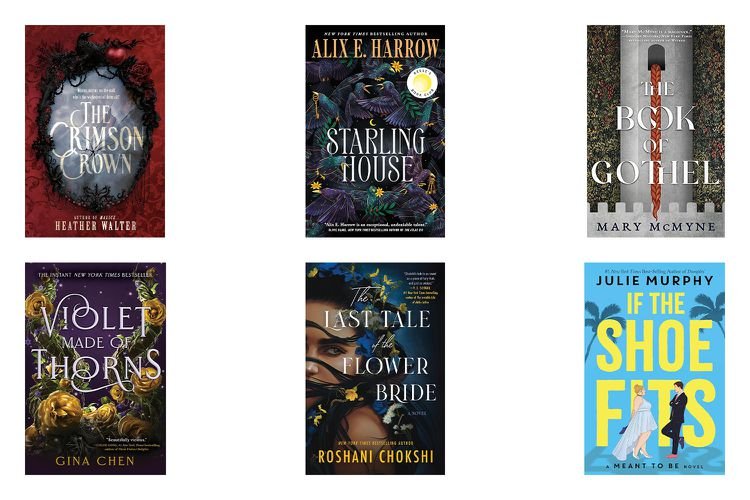
Fairy tales, those timeless echoes from childhood, are far from static museum pieces. In fact, contemporary French fairy tale adaptations are actively revitalizing these beloved classic narratives, pulling them from dusty bookshelves into vibrant, challenging, and often startling new forms. They aren't just retellings; they're re-examinations, re-imaginings, and powerful re-orientations that reflect our modern anxieties, hopes, and cultural shifts.
From the dark forests of Perrault to the salons of sophisticated literary fiction and cutting-edge cinema, France has always held a special relationship with these foundational stories. Today, a new wave of creators is not just dusting off these tales but radically reinterpreting them, questioning their inherent moral frameworks, gender roles, and societal implications. This isn't merely a trend; it's a profound cultural dialogue, inviting us to look deeper into the stories that have shaped generations.
At a Glance: What You'll Discover About Contemporary French Fairy Tale Adaptations
- Why these stories endure: Understand the enduring power and cultural significance of fairy tales in France and beyond.
- The "how" of adaptation: Explore the diverse ways contemporary artists transform classic narratives across various mediums.
- Key thematic shifts: Learn how modern adaptations tackle gender, power, identity, and social justice.
- Notable examples: Dive into compelling French and Francophone works that exemplify this adaptive spirit.
- Challenges and opportunities: Unpack the complexities and creative potential inherent in modernizing ancient tales.
- The cultural impact: Grasp how these adaptations contribute to ongoing conversations about heritage, identity, and the future of storytelling.
The Enduring Allure: Why We Keep Revisiting Fairy Tales
Why do we return to stories like Cinderella, Little Red Riding Hood, or Beauty and the Beast again and again? The answer lies in their archetypal power. Fairy tales are, at their core, narratives of transformation, good versus evil, and the human condition. They offer a common cultural shorthand, a shared language that allows creators to build upon existing foundations, confident that their audience will grasp the underlying resonance.
For French artists, this connection is particularly potent. France boasts a rich tradition, starting with figures like Charles Perrault and Madame d'Aulnoy, who codified many of the tales we know today. These stories aren't just children's narratives; they are deeply embedded in the nation's literary and artistic heritage. To engage with them is to engage with history, culture, and a collective unconscious.
Defining "Contemporary French": More Than Just Language
When we speak of "Contemporary French Fairy Tale Adaptations," we're not just talking about works written in French. We're referring to a sensibility, a cultural lens that often informs these reinterpretations. This can manifest as:
- Philosophical depth: A tendency towards existential questions, exploring moral ambiguities rather than clear-cut good and evil.
- Aesthetic sophistication: An emphasis on visual artistry, complex character psychology, and nuanced narrative structures, especially in cinema and graphic novels.
- Societal critique: A willingness to challenge established norms, whether class distinctions, gender roles, or the very idea of happily-ever-after.
These adaptations often benefit from a deep engagement with literary theory, exploring postmodern narrative strategies and questioning the authoritative voice of the original tale. They move beyond simple retellings, striving instead for profound re-imaginings that speak to present-day concerns.
Shifting Sands: Thematic Innovations in Modern Adaptations
The most compelling aspect of contemporary French fairy tale adaptations is their courage to challenge the status quo. Creators aren't merely replicating; they're dissecting, subverting, and often, reclaiming.
Gender and Identity: Rewriting the Script
Perhaps the most significant thematic shift is the re-evaluation of gender roles. Classic fairy tales often presented women as passive, waiting for rescue, or as wicked antagonists. Modern adaptations frequently flip this script, empowering female characters, exploring non-binary identities, and questioning patriarchal structures.
- Active Heroines: Cinderellas become entrepreneurs, Sleeping Beauties choose their own awakenings, and Little Red Riding Hoods arm themselves with wit, not just baskets.
- Challenging Masculinity: Princes are no longer uniformly heroic; they might be flawed, vulnerable, or even the source of conflict. Beasts might find redemption not through love alone, but through self-reflection and genuine change.
- Queer Readings: The inherent allegories of transformation and acceptance lend themselves beautifully to exploring gender and identity in fairy tales, offering new perspectives on love, desire, and belonging beyond traditional heterosexual narratives.
Power Dynamics: Unveiling the Underbelly
Fairy tales, despite their fantastical settings, are often metaphors for real-world power struggles. Contemporary adaptations excel at stripping away the romantic veneer to reveal the often brutal realities beneath.
- Class and Social Hierarchy: The rigid class structures often implicit in tales like Cinderella or Puss in Boots are brought to the forefront, exposing systemic inequalities. Who holds the power? Who benefits from the "magic"?
- Colonial Echoes: As explored in critical works like
Re-Orienting the Fairy Tale: Contemporary Adaptations across Cultures, many traditional tales carry cross-cultural fairy tale adaptations which can inadvertently reinforce colonialist perspectives or exoticize other cultures. Modern adaptations often critically examine these embedded biases. - Psychological Power Plays: The internal struggles of characters are amplified, revealing how fear, desire, and ambition drive their actions, often with darker consequences than the originals suggest.
Dark Fantasy and Psychological Realism: Embracing the Shadows
While many classic fairy tales had dark undertones, they were often softened for younger audiences over time. Contemporary French adaptations often lean into the grim, unsettling aspects, exploring psychological realism, trauma, and the complex nature of human morality. This often creates a richer, more resonant experience for adult readers.
- Beyond Happy Endings: The "happily ever after" is frequently deconstructed, showing that resolution isn't always neat, and consequences linger.
- The Monstrous Within: Beasts aren't just external threats; they often symbolize internal struggles, societal anxieties, or the monstrous potential within humanity itself.
The Canvas of Adaptation: Mediums and Masterworks
Contemporary French fairy tale adaptations manifest across a stunning array of mediums, each offering unique possibilities for interpretation and engagement.
Literature: Re-imagining the Written Word
French literature has a strong tradition of sophisticated engagement with its folkloric roots. Modern authors leverage this, often employing postmodern narrative strategies to deconstruct and rebuild these narratives.
- Novels and Novellas: Authors craft intricate psychological dramas, historical revisions, or fantastical expansions of familiar tales. Anne Sibran's Je suis la bête (I Am the Beast) offers a raw, primal retelling of Beauty and the Beast from the Beast's perspective, stripping away all romanticism to focus on animalistic instinct and human fear. Amélie Nothomb's Bleu Barbe (Bluebeard) places the infamous killer in a contemporary Parisian setting, turning his wives into sharp, intellectual women who challenge his power.
- Graphic Novels and Comics (Bandes Dessinées): The visual storytelling capabilities of BD offer immense scope for stylistic interpretations. Creators can blend gothic aesthetics with modern design, creating narratives that are both beautiful and unsettling. Consider works that visually reinvent the enchanted forests or the opulence of royal courts, giving new life to setting and character design.
Cinema and Animation: Visualizing the Enchantment
French cinema has a remarkable history of visually stunning and thematically complex films, making it a natural home for fairy tale adaptations.
- Christophe Gans's La Belle et la Bête (2014): This visually sumptuous adaptation of Beauty and the Beast leans into the gothic romance, providing a rich backstory for the Beast and creating a world of breathtaking fantasy that feels both classic and distinctly modern in its aesthetic and emotional depth.
- Jean-Pierre Jeunet's Am��lie (2001, though not a direct adaptation): While not a direct fairy tale adaptation, Amélie embodies a certain contemporary French "magical realism" that draws heavily on the whimsy and wonder often associated with fairy tales, set against a distinctly Parisian backdrop. It highlights how the spirit of fairy tales can infuse original narratives.
- Animation: French animation, known for its unique artistic styles, also provides a fertile ground. While many global animated features draw on French tales, original French productions often offer a more nuanced, art-house approach to these narratives, sometimes exploring darker or more philosophical themes suitable for adult audiences.
Theatre and Performance Art: Embodied Storytelling
Live performance offers an immediate, visceral connection to these ancient stories. Contemporary French theatre often uses fairy tales as a springboard for improvisation, social commentary, and experimental staging. Performers might explore the physicality of transformation, the masks of identity, or the collective experience of storytelling. These adaptations frequently break the fourth wall, inviting the audience to critically engage with the narrative.
Expert Insights: Re-Orienting the Narrative
The academic world has keenly observed this resurgence of fairy tale adaptations. The edited collection Re-Orienting the Fairy Tale: Contemporary Adaptations across Cultures, reviewed by Mayako Murai and Luciana Cardi, highlights the global phenomenon of re-interpreting these tales. This work emphasizes how "contemporary adaptations across cultures" are not just entertainment but significant cultural products. They serve as a lens through which we can understand shifts in societal values, post-colonial critiques, and the evolving nature of narrative itself.
The book suggests that these adaptations are often "re-orienting" traditional narratives in terms of geography, cultural perspective, and ideological stance. For French adaptations, this might mean a critical re-examination of the Enlightenment values subtly embedded in Perrault's tales, or a deconstruction of romantic ideals long associated with French storytelling. It's a process of taking something familiar and presenting it from an entirely new angle, forcing us to reconsider its foundational truths. This critical approach underpins much of the modern fairy tale analysis you'll encounter today.
Avoiding the Pitfalls: Authenticity vs. Innovation
Creating a compelling contemporary adaptation is a delicate balancing act. On one hand, you want to be innovative and relevant; on the other, you risk losing the core magic or message that made the original beloved.
The Trap of Trendiness: Surface-Level Updates
Some adaptations fall into the trap of merely updating aesthetics without delving into deeper thematic work. A medieval princess in a designer gown might look contemporary, but if her internal journey remains passive and her goals superficial, the adaptation misses its potential. True adaptation goes beyond superficial changes to grapple with the story's philosophical and emotional core.
Losing the "Magic": Over-Rationalization
Another pitfall is over-rationalizing the fantastical elements. While a dose of realism can be compelling, entirely stripping away the magic can diminish the tale's unique power. The best adaptations find a way to re-enchant the audience, whether through a different kind of magic (e.g., psychological rather than supernatural) or by using the fantastical to amplify human truths.
Commercial Pressures: Diluting the Message
The commercial success of fairy tale adaptations can sometimes lead to creative compromises. Studio pressures might push for a "safer" narrative, or one that aligns with broader market trends, potentially diluting the original artistic vision or thematic challenge. The most impactful French adaptations often resist these pressures, prioritizing artistic integrity and intellectual provocation.
Practical Guidance for Engaging with Adaptations
As a reader or viewer, how can you get the most out of contemporary French fairy tale adaptations?
- Know Your Classics (But Don't Be Afraid to Forget Them): Familiarity with the original tale provides a rich context, allowing you to appreciate the subtle (or not-so-subtle) changes. If you need a refresher on these foundational stories, revisit Classic French fairy tales. However, approach adaptations with an open mind, ready to accept a radically different interpretation.
- Look for the "Why": Ask yourself why the creator chose this particular tale, and why they chose to adapt it in this specific way. What societal comment are they making? What personal truth are they exploring?
- Consider the Medium: How does the chosen medium (film, literature, graphic novel) influence the storytelling? What unique opportunities does it offer for visual allegory, internal monologue, or immersive experience?
- Engage Critically: Don't just consume; reflect. Do you agree with the adaptation's reinterpretation? Does it challenge your own understanding of the original tale?
- Explore the "Re-Orienting" Aspect: Think about how the adaptation changes the perspective. Is it from a marginalized character's point of view? Does it transpose the story to a new cultural or historical context? This is central to much of the re-orienting fairy tale theory being discussed today.
The Future of French Fairy Tale Adaptations: A Continuing Conversation
The fascination with contemporary French fairy tale adaptations shows no signs of waning. As global society continues to grapple with issues of identity, power, and cultural heritage, these adaptable narratives will remain powerful tools for artistic expression and social commentary.
Expect to see even more diverse voices entering the conversation, offering interpretations from varied cultural backgrounds and lived experiences within France and the wider Francophone world. New technologies, from interactive digital stories to virtual reality experiences, will also likely open up novel avenues for immersion and adaptation, allowing audiences to step directly into these reimagined worlds.
Ultimately, these adaptations are a testament to the enduring power of storytelling. They remind us that while the surface details may change, the core human questions that fairy tales explore—love, loss, courage, fear, transformation—remain timeless. Each new adaptation isn't just a retelling; it's a fresh invitation to see ourselves, our society, and our dreams reflected in the magic mirror of an ancient tale, made new once more.