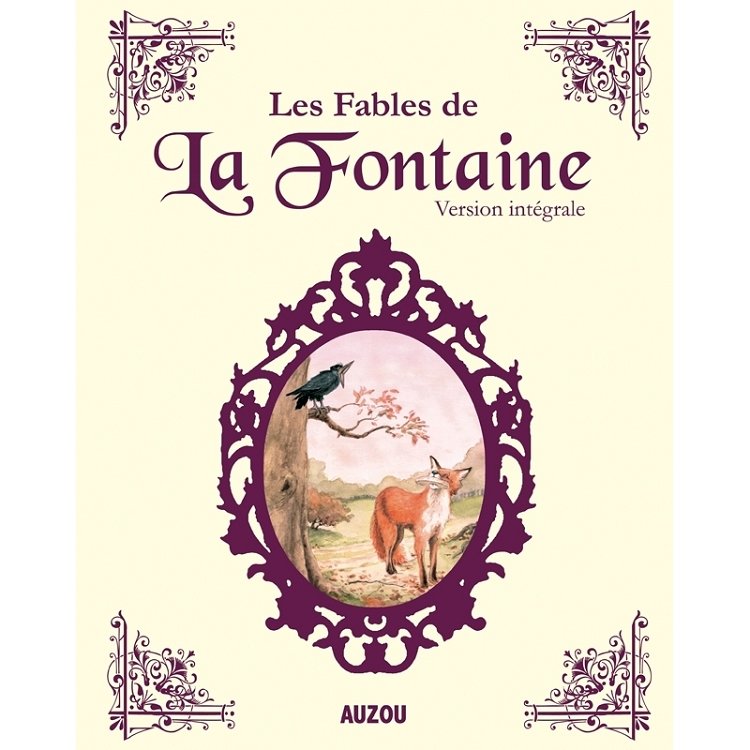
When we talk about the power of storytelling to impart wisdom, French Fables and Moral Tales (e.g., La Fontaine) stand out as an unparalleled legacy. These aren't just quaint stories from yesteryear; they are sharp, insightful windows into human nature, offering timeless lessons that resonate as powerfully today as they did centuries ago. Dive into the world of cunning foxes, industrious ants, and arrogant frogs, and you'll quickly discover why these tales remain cornerstones of literature and moral education.
At a Glance: Why La Fontaine Still Matters
- Discover La Fontaine's Genius: Learn about the life and work of France's master fabulist, Jean de La Fontaine, and how he revolutionized storytelling.
- Unpack Timeless Lessons: Explore the universal moral truths hidden within seemingly simple animal tales.
- Connect Past to Present: Understand why fables written in the 17th century continue to offer profound guidance for modern life.
- Engage with a Literary Treasure: Get practical tips on how to read, understand, and appreciate these masterful works.
- Spark Deeper Thought: Move beyond surface-level morals to uncover the subtle social and psychological commentary embedded in each tale.
Jean de La Fontaine: The Architect of Modern Fables
Imagine 17th-century France, a vibrant era of art, philosophy, and burgeoning literature. It was in this rich cultural tapestry that Jean de La Fontaine, a French poet and fabulist, wove his indelible mark. Born in 1621, La Fontaine wasn't just another writer; he was a literary alchemist who took ancient forms and infused them with new life, wit, and unparalleled elegance.
By 1684, his exceptional contributions to French literature were recognized with his election to the prestigious French Academy of Sciences. But it was his collection of fables, first published in 1668, that truly brought him international renown. La Fontaine was a master of adaptation, drawing inspiration from a vast and eclectic array of sources: the ancient Greek tales of Aesop, the rich narratives of Indian storytellers, other fabulists, and a treasure trove of European folk tales often featuring talking animals. He didn't just retell these stories; he reimagined them, crafting them into elegant verse and imbuing them with a distinct French sensibility and a keen eye for human foibles. He truly brought new life to the fable genre, making it accessible and profoundly insightful for generations to come.
Why Fables Endure: The Universal Language of Moral Tales
At their heart, fables are short, didactic stories, typically featuring anthropomorphic animals, plants, or forces of nature that convey a moral lesson or "moralité." They serve as powerful allegories, simplifying complex human behaviors and societal issues into relatable narratives. But why have these particular forms of storytelling persisted for thousands of years?
The enduring appeal lies in their universality and accessibility. By using animals as protagonists, fables create a psychological distance that allows us to examine human traits—greed, vanity, diligence, foolishness—without directly confronting our own shortcomings. This makes the lessons easier to digest and remember. Whether you're a child learning basic ethics or an adult grappling with complex dilemmas, fables offer a framework for understanding consequences, virtue, and vice. They are, in essence, compact wisdom delivered with charm and often, a touch of humor.
La Fontaine's Masterstroke: Elevating the Fable to High Art
While the concept of fables was ancient, La Fontaine's approach was revolutionary. He didn't just present simple tales; he crafted literary masterpieces.
The Power of Poetic Verse
Unlike many earlier fables that were prose or simple rhymes, La Fontaine's "A Hundred fables of La Fontaine" are all in verse. This wasn't merely a stylistic choice; it was a deliberate artistic decision that elevated the genre. His poetic forms, often a blend of irregular lines and meters, gave his fables a fluid, natural conversational tone, making them delightful to read aloud and memorable to recite. The rhythm and rhyme enhance the storytelling, adding layers of enjoyment beyond the moral itself.
A Mirror to Society: Beyond Simple Morals
While each fable ends with a clear moral statement, La Fontaine's genius lies in the layers beneath. His fables are far from simplistic. They often serve as astute social commentaries, subtly critiquing the aristocracy, the legal system, and the prevailing power dynamics of his time. The animal kingdom becomes a thinly veiled metaphor for the human court, with its intrigues, hierarchies, and injustices. This makes reading La Fontaine a rich experience, inviting readers to look beyond the obvious lesson and ponder the deeper societal critiques.
The Human Condition, Unfiltered
La Fontaine possessed an uncanny ability to capture the essence of human psychology. His characters, despite being animals, display profoundly human emotions, motivations, and flaws. Through them, he explores themes of vanity, ambition, loyalty, betrayal, wisdom, and folly with a nuanced understanding that is both timeless and deeply insightful. You don't just learn that flattery is dangerous; you feel the foolish pride of the crow and the manipulative cunning of the fox.
For those eager to delve into the original language alongside the English translations, it's worth noting that resources like "Fables and tales from La Fontaine. In French and English," first translated in 1734, offer parallel texts. This allows readers to appreciate La Fontaine's poetic artistry in its original form while still grasping the narrative and moral complexities. Exploring such historical versions can enrich your understanding of the journey these tales have taken over centuries, almost like looking at a treasured once upon a time in French story through a perfectly preserved pane of glass.
Deciphering the Moral Compass: Key Themes in La Fontaine's Fables
La Fontaine masterfully explored a range of universal themes that continue to be relevant. Here are some of the most prominent moral lessons woven into his tales:
1. The Perils of Vanity and Arrogance
Many fables warn against the pitfalls of excessive pride and self-admiration. These tales often show how an inflated sense of self can lead to ridicule, downfall, or a lack of genuine achievement.
Example: "The Frog Who Wished To Be As Big As The Ox"
A small frog, envious of an ox's size, puffs itself up repeatedly, asking its fellow frogs if it's as big as the ox yet. Despite warnings, it continues until it bursts.
- Moral: It’s foolish and dangerous to try to be something you're not, especially out of envy or pride. Ambition must be tempered with reality.
2. The Danger of Flattery
La Fontaine frequently illustrates how susceptible we are to insincere praise, and the cunning ways others exploit this vulnerability.
Example: "The Fox and the Crow"
A crow, perched on a branch, holds a piece of cheese in its beak. A fox, wanting the cheese, lavishes praise on the crow's beautiful voice, begging it to sing. As the crow opens its beak to sing, the cheese falls, and the fox snatches it, delivering a smug moral about the cost of listening to flatterers.
- Moral: Beware of those who praise you excessively; they often seek to gain something from you. Flattery is a tool of manipulators.
3. The Virtues of Prudence and Hard Work
In contrast to tales of folly, many fables champion the merits of foresight, diligence, and preparing for the future.
Example: "The Ant and the Grasshopper"
During summer, the diligent ant works tirelessly, gathering food for winter, while the carefree grasshopper sings and plays. When winter arrives, the grasshopper starves and begs the ant for food, only to be rebuffed with a lesson about foresight.
- Moral: Laziness leads to hardship, while hard work and preparation ensure security. It's crucial to plan for difficult times.
4. Critiquing Power Dynamics and Injustice
La Fontaine didn't shy away from exposing the unfairness inherent in societal hierarchies, often showing how the powerful exploit or dominate the weak under false pretenses.
Example: "The Wolf and the Lamb"
A wolf, upstream, finds a lamb drinking downstream. Desiring to eat the lamb, the wolf invents accusations, claiming the lamb is muddling its drinking water, or insulted it months ago. Despite the lamb's logical rebuttals, the wolf declares, "It matters not; you must be eaten," and devours it.
- Moral: For the tyrannical, any pretext will do to justify their evil deeds. Justice often bends to power.
5. The Importance of Accepting Oneself and One's Place
Some fables subtly encourage contentment with one's natural abilities and station, rather than striving for something unattainable or unsuitable.
Example: "The Oak and the Reed"
The mighty Oak boasts of its strength and scorns the humble Reed, which bends with every breeze. A storm comes, and the Oak, resisting, is uprooted, while the Reed, by yielding, survives.
- Moral: Humility and adaptability can offer greater strength than rigid pride. Sometimes, it is wiser to bend than to break.
Beyond the Pages: Applying La Fontaine's Wisdom Today
La Fontaine's fables are not just historical artifacts; they are living texts with profound relevance for our contemporary lives. Their simple structure belies their deep practical guidance across various domains.
For Personal Growth and Reflection
The fables offer a direct mirror to our own character traits. Have you been flattered recently? Did you succumb to pride? Are you planning for your future, or living only in the moment? Regularly engaging with these tales can prompt self-reflection and encourage ethical decision-making. They help us identify virtues to cultivate and vices to avoid, fostering a more mindful approach to personal conduct.
Guiding the Next Generation
For parents and educators, La Fontaine's fables are an invaluable tool for moral instruction. Their engaging narratives and clear morals make complex ethical concepts accessible even to young children. They provide a gentle, indirect way to discuss important values like honesty, responsibility, empathy, and the consequences of actions, all without being preachy. Reading these fables aloud can spark rich conversations and help children develop a strong moral compass from an early age.
Lessons in Leadership and Strategy
Even in the corporate world, the wisdom of La Fontaine finds echoes. Leaders can learn about the dangers of unchecked power ("The Wolf and the Lamb"), the importance of foresight ("The Ant and the Grasshopper"), and the perils of ignoring sound advice. These stories highlight the human elements that drive success or failure in any collective endeavor, offering metaphorical guidance for strategic thinking, team dynamics, and ethical leadership.
Understanding Societal Dynamics
La Fontaine’s keen observations on power, justice, and social hierarchy remain acutely relevant. In an era marked by complex political landscapes and social inequalities, his fables provide a framework for understanding and critiquing systems where the strong often prey on the weak, or where appearance trumps reality. They encourage us to look critically at societal structures and question authority, just as La Fontaine did in his own time.
Reading La Fontaine: Tips for the Modern Audience
Embarking on a journey through La Fontaine's fables can be a deeply rewarding experience. Here's how to make the most of it:
1. Start with the "Greatest Hits"
While his complete collection is vast, begin with his most famous fables. Tales like "The Fox and the Crow," "The Ant and the Grasshopper," "The Wolf and the Lamb," "The Frog Who Wished To Be As Big As The Ox," and "The Oak and the Reed" are excellent starting points. These capture the essence of his style and thematic depth.
2. Embrace Different Translations
Since La Fontaine wrote in verse, the quality and style of translation can significantly impact your reading experience. Explore a few different English translations. Some translators prioritize literal accuracy, while others focus on maintaining the poetic flow and wit. Each offers a slightly different flavor. If you're learning French, seek out bilingual editions (like the 1734 "Fables and tales from La Fontaine" mentioned earlier) to appreciate the original French verse alongside the English.
3. Read Aloud
La Fontaine's fables were meant to be heard. Reading them aloud, even to yourself, can help you appreciate their rhythmic qualities and the conversational tone he so skillfully employed. It also aids in comprehension and memory, making the morals stick more effectively.
4. Discuss and Reflect
Don't just read the fable and move on. Take a moment to ponder the moral. Who do the characters represent? How does this apply to your own life or the world around you? Discuss them with friends, family, or children. The richer the conversation, the deeper your understanding will become. Consider keeping a journal where you jot down your thoughts and interpretations after reading each fable.
5. Look Beyond the Obvious
Remember that La Fontaine's genius lies in his subtlety. While the stated moral is important, consider the broader implications. What might he be saying about the human condition, social structures, or political power? What kind of irony or satire is present? The more you read, the more layers you'll uncover.
Common Misconceptions About French Fables
Despite their enduring popularity, fables, and particularly La Fontaine's, can sometimes be misunderstood. Let's clear up a couple of common misconceptions:
"Fables are just for kids."
While fables are excellent tools for teaching children, to dismiss them as only for children is to miss their profound depth. La Fontaine's fables, in particular, are steeped in sophisticated social commentary, psychological insights, and often biting satire that adults can appreciate on a much deeper level. They explore complex themes of power, justice, hypocrisy, and human folly that resonate with adult experiences and understanding. Think of them as literature with layers—accessible on the surface, but rich with adult themes beneath.
"The morals are too simple and obvious."
On the surface, the stated morals of fables often seem straightforward. However, this apparent simplicity is deceptive. La Fontaine often presents scenarios where the "moral" is not always clear-cut or universally applicable. Sometimes, the 'moral' itself might be questioned, or it might expose a brutal truth about the world rather than an ideal. The true depth lies not just in the moral statement, but in the narrative's nuanced portrayal of human nature, the psychological motivations of the characters, and the subtle societal critiques embedded within the storytelling. The simplicity is a Trojan horse for complex ideas.
The Unending Legacy of La Fontaine: An Ongoing Conversation
Jean de La Fontaine’s fables have transcended time and culture, translated into countless languages and adapted into various art forms. His work is more than a collection of moral tales; it's a profound exploration of what it means to be human, complete with all our virtues and vices. His ability to capture complex truths in simple, elegant verse ensures that his voice continues to guide, entertain, and provoke thought.
From the classroom to the boardroom, from personal reflection to societal critique, the lessons gleaned from these French fables remain strikingly pertinent. They remind us that while the world changes, human nature, with its unchanging core of ambition, fear, love, and folly, remains the same.
Ready to Explore? Your Journey into French Fables Awaits
If you've never truly delved into the world of La Fontaine, now is the perfect time. Pick up a collection of his fables, start with a few well-known tales, and allow yourself to be transported to a world where animals speak truths, and simple stories illuminate the complexities of life. You'll find not just entertainment, but a wellspring of wisdom that continues to enrich minds and hearts across generations. Let these delightful tales serve as your guide to a deeper understanding of yourself, others, and the enduring principles that shape our world.