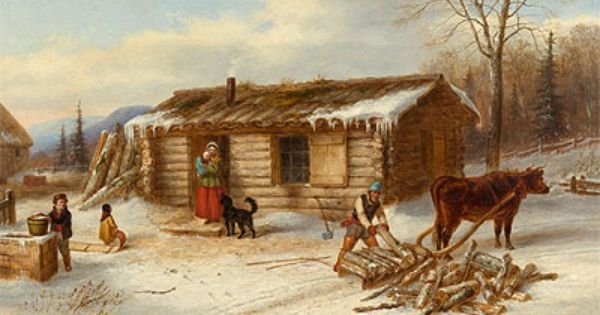
France is a tapestry woven from diverse cultures, languages, and histories, and nowhere is this richness more evident than in its Regional French Folktales & Legends. Forget the polished fables often associated with Parisian literary salons; venture into the heart of France’s provinces, and you’ll discover a vibrant, often wild, collection of myths, monsters, and magical beings that have shaped local identities for centuries. These aren't just quaint old stories; they're living echoes of ancient beliefs, historical events, and the very soul of the land, offering a unique window into French heritage and an incredibly immersive way to deepen your linguistic and cultural understanding.
At a Glance: Your Guide to French Regional Folklore
- Uncover France's Hidden Depths: Explore a France beyond the major cities, where ancient tales still resonate in local consciousness.
- Journey Through Diverse Regions: From Celtic Brittany to the sun-drenched Provence, discover unique narratives from every corner.
- Meet Mythical Beings: Encounter mischievous Korrigans, the formidable Ankou, fearsome dragons like the Tarasque, wise forest giants, and mysterious shapeshifters.
- Boost Your French Language Skills: Immerse yourself in regional dialects, idiomatic expressions, and historical contexts that bring the language to life.
- Understand Cultural Nuances: Learn how geography, history, and linguistic variations have shaped distinct local identities and beliefs.
- Find Your Next French Read: Discover specific legends and figures that might inspire your next deep dive into French literature or local travel.
Why Delve into France's Mythical Landscapes?
When you explore the deep wells of French regional folklore, you're doing more than just reading stories. You're stepping into the collective memory of communities, tracing the evolution of unique languages, and experiencing history not through dates and names, but through the enduring power of narrative. Each tale, whether of a benevolent forest protector or a malevolent water spirit, serves as a cultural artifact, offering invaluable exposure to local dialects, idiomatic expressions, and the historical contexts that have shaped the nation. It’s an authentic, human-first approach to understanding France, far removed from any textbook.
These aren't merely children's bedtime stories, either. Many French folktales, from cautionary tales to heroic epics, reflect the concerns, values, and fears of the people who told them. They speak of the relationship between humans and nature, the struggle between good and evil, the cycle of life and death, and the extraordinary feats of ordinary people (or saints!) against overwhelming odds. For anyone looking to truly grasp the nuances of French culture and language, these regional legends are an indispensable, endlessly fascinating resource.
A Grand Tour of France's Mythological Heartlands
Let's embark on a journey through France, region by region, to uncover the distinctive folktales and legends that define its diverse spirit.
Brittany (Bretagne): Where Celtic Magic Lingers
In the windswept northwest, Brittany stands apart with its strong Celtic heritage, a cultural tie that resonates deeply with Ireland and Wales. Here, the Breton language, a living link to ancient Gaulish, still colors conversations and stories. This is a land of ancient forests and rugged coastlines, perfectly suited for tales of magic and mystery.
You can't discuss Breton folklore without mentioning Brocéliande, a mythical forest that serves as the backdrop for many Arthurian legends. Imagine Merlin, the Lady of the Lake, and the valiant Knights of the Round Table wandering through its misty glades. It's a place where the veil between worlds feels incredibly thin. Beyond the grand heroes, you'll encounter the Korrigans, mischievous fairy-like creatures. These small, powerful beings are intrinsically linked to natural features – think ancient standing stones, winding rivers, and dense forest groves – and they possess magical powers that can either aid or torment travelers, depending on their mood. But perhaps the most chilling figure is The Ankou, the skeletal personification of death. He drives a cart through the night, collecting souls, and local belief holds that the last person to die in a parish becomes the Ankou for the following year, eternally bound to this grim duty. The Ankou is a constant, stark reminder of mortality in Breton culture.
Provence: Sunshine, Saints, and Beasts
Venture south to Provence, a region renowned for its sun-drenched landscapes, lavender fields, and the melodious Provençal language, a variety of Occitan. Here, folklore often intertwines with the sacred, reflecting centuries of deep-rooted Christian traditions.
One of Provence's most iconic legends centers around Saint Martha and the fearsome Tarasque. This dragon-like creature, born of a sea serpent and a mythical beast, terrorized the inhabitants of Tarascon, devouring livestock and people. It was Saint Martha, armed with only her faith and holy water, who tamed the beast, leading it back to the town where it was subsequently slain by the villagers. This tale embodies the triumph of good over evil, and Saint Martha remains a revered figure. Another globally recognized story that finds its roots here is "La Belle et la Bête" (Beauty and the Beast), though its specific Provençal origins are often debated, the region's rich storytelling tradition certainly helped popularize such romantic, transformative narratives.
Alsace: Where French and German Lore Intertwine
Nestled in northeastern France, Alsace is a fascinating blend of French and German cultural influences, palpable in its architecture, cuisine, and the Alsatian dialect—a form of Alemannic German spoken by some residents. This crossroads of cultures naturally gave rise to a unique mythological landscape.
Here, you might hear whispers of the Druden, powerful witches or sorceresses believed to control weather, cast spells, and influence human affairs. Often portrayed as malevolent figures, they embodied the fears of agricultural societies reliant on good harvests and protection from the elements. Further west, along the majestic Rhine River, Alsace shares the legend of the Lorelei with its German neighbors. This siren-like figure, perched on a rock high above the river, lures sailors to their doom with her enchanting songs, a poignant symbol of beauty and peril.
Basque Country (Pays Basque): Ancient Spirits of the Mountains
Straddling the French and Spanish border, the Basque Country is a land defined by its dramatic mountains, rugged coastline, and a truly unique cultural identity. Its ancient language, Euskara, stands apart, unrelated to any other European tongue, which speaks volumes about the region's isolation and deep historical roots. The folklore here is similarly distinct and deeply connected to nature.
Central to Basque mythology is Basajaun, the "Lord of the Forest." This giant, hairy, forest-dwelling creature is revered as a protector of the woods and animals. He is known for immense strength, profound wisdom, and a benevolent nature, often sharing knowledge of agriculture and craftsmanship with humans, making him a symbol of harmony between humanity and the wild. Equally powerful is Mari, the supreme goddess of the earth and natural phenomena. Often depicted as a beautiful shapeshifting woman, Mari controls the weather, bringing either prosperity or disaster to the region. She is a potent force, embodying the raw power and unpredictability of the natural world.
Normandy: Dragons, Ghosts, and Viking Echoes
In northwest France, Normandy boasts a rich history, from William the Conqueror to the D-Day landings. Its Norman dialect, with roots in Old Norse and Old French, hints at the region's Viking past, which subtly influences its folklore.
One of Normandy's most thrilling legends tells of the Gargouille, a fearsome dragon-like creature that terrorized the city of Rouen. This beast, whose name eventually gave us the architectural term "gargoyle," was said to spew fire and flood the Seine. It was Saint Romanus, the bishop of Rouen, who famously defeated the Gargouille, taming it with the sign of the cross and leading it back to the city to be burned. Another enduring figure is The White Lady (La Dame Blanche). This ghostly apparition, a common motif across Europe, is said to haunt castles, ruins, and crossroads throughout Normandy. She is often believed to warn of impending danger or to mourn a lost love, her spectral presence a melancholy reminder of past tragedies.
Auvergne: Beasts, Water Spirits, and Untamed Lands
Central France's Auvergne region is characterized by its rugged volcanic landscapes, pristine lakes, and dense forests. The Auvergnat dialect, a variety of Occitan, adds another layer to its rich cultural fabric. Here, the wildness of the land is reflected in its most famous legends.
Perhaps the most enigmatic tale from Auvergne is that of the Beast of Gévaudan. In the mid-18th century, a mysterious wolf-like creature (or creatures) terrorized the Gévaudan region, attacking and killing dozens of people. Despite extensive hunts and multiple claimed kills, the true identity of the Beast remains unconfirmed to this day, fueling centuries of speculation and fear. Equally intriguing, though less historical, is The Drac. This mischievous, sometimes malevolent, shapeshifting water spirit inhabits the rivers and lakes of Auvergne. The Drac is known for luring unsuspecting victims to drown or taking them to its mysterious underwater lair, a chilling reminder of the dangers lurking beneath calm surfaces.
Pyrenees: Guardians of the Mountains, Spirits of the Waters
The majestic Pyrenees mountain range, forming a natural border between France and Spain, is a region of breathtaking beauty and ancient traditions. Here, dialects like Gascon and Catalan are spoken, reflecting the unique cultural tapestry woven into its valleys and peaks. The rugged terrain has given rise to robust and elemental folklore.
Much like in the Basque Country, Basajaun, the benevolent giant guardian of forests and protector of animals, features prominently in Pyrenean lore. His strength and wisdom are legendary, and he is credited with teaching humans essential agricultural and craftsmanship knowledge, ensuring survival and prosperity in the harsh mountain environment. The Pyrenees also tell of the Lamia, a beautiful female spirit associated with water and the natural world. While often portrayed as benevolent, the Lamia is a powerful shapeshifting entity who controls weather and influences the prosperity or disaster of the region, embodying the dual nature of mountain life – bountiful yet perilous. Though similar in description to the Basque Mari, the Lamia of the Pyrenees carries its own distinct regional flavor, often appearing near streams, waterfalls, and caves.
Lorraine: Shared Legends, Local Echoes
Located in northeastern France, Lorraine boasts a rich history, from ancient Roman settlements to medieval duchies, and its Lorrain dialect (a Romance language) underscores its unique identity. Like other regions, Lorraine shares archetypal legends, but imbues them with local significance.
One such tale is of the Tarasque, a dragon-like creature whose legend extends far beyond Provence. In Lorraine, this fearsome beast terrorized communities before being overcome, often by a saintly figure or a brave local hero. The widespread nature of this legend speaks to common anxieties about wild forces and the universal human desire for protection and salvation. And like Normandy, Lorraine is also home to its own tales of The White Lady (La Dame Blanche). These spectral apparitions are said to haunt ancient castles and ruins throughout the region, warning of danger or lamenting lost loves, their ethereal presence a poignant connection to Lorraine's layered past.
Corsica: The Island of Destiny and Defiance
This rugged Mediterranean island, a department of France, possesses a fiercely independent spirit, embodied in its unique Corsican language, a variety of Italo-Dalmatian. Corsican folklore is as distinct and wild as its landscapes.
Central to Corsican belief are the Mazzeri. These individuals are believed to possess the supernatural ability to foresee death through visions. They "hunt" animals in their dreams, and the identity of the animal they kill in the dream signifies the person destined to die in reality. The Mazzeri are not considered evil, but rather reluctant conduits of fate, often struggling with their morbid gift. Another iconic figure is The Bandit. Far from being a villain, the Corsican Bandit is often portrayed as a Robin Hood-like figure who defied unjust authorities and fought for justice, defending the common people against oppression. These figures symbolize the island's long history of resistance and its deep-seated sense of honor and community.
Beyond the Stories: How Folklore Enriches Your French Learning Journey
Engaging with French regional folklore isn't just a cultural indulgence; it’s an incredibly potent tool for language learners. It provides an enriching experience that significantly enhances linguistic skills and offers a deeper understanding of France itself.
Firstly, these tales expose you to the nuances of regional dialects and idiomatic expressions. While standard Parisian French is essential, understanding the linguistic variations found in Breton, Provençal, Alsatian, or Euskara opens up a whole new dimension of fluency. You’ll encounter expressions rooted in centuries of local life, giving you a more authentic and robust command of the language. Imagine reading an original Breton folktale and grappling with its specific turn of phrase – that's real immersion!
Secondly, folklore offers invaluable historical context. Legends often reflect historical events, social structures, and ancient belief systems. Knowing the story of Saint Martha and the Tarasque gives you insight into the early spread of Christianity and local patron saints. Understanding the Beast of Gévaudan sheds light on 18th-century rural fears and judicial processes. This historical grounding makes the language feel more alive and relevant, connecting words to the world they describe.
Finally, these stories are packed with specialized vocabulary. You'll naturally encounter terms related to:
- Nature: forests (forêt), rivers (rivière), mountains (montagne), creatures (créatures), beasts (bêtes).
- Magic & Spirituality: spells (sortilèges), fairies (fées), witches (sorcières), spirits (esprits), blessings (bénédictions), curses (malédictions).
- Mortality & Life: death (mort), souls (âmes), destiny (destin), heroes (héros), villains (méchants).
Instead of memorizing vocabulary lists, you'll acquire these words organically, embedded in compelling narratives. This natural learning process boosts retention and provides context for each new term.
To dive deeper, consider seeking out books (perhaps even an original French fairy tale collection) or online resources that present these legends in their original regional languages, with French or English translations. Watching documentaries or local theatrical adaptations can also be immensely beneficial. It’s an active, engaging way to learn that transcends traditional classroom methods.
Unpacking the Myths: Common Questions About French Folklore
As you explore these fascinating tales, a few common questions often arise. Let's tackle them head-on.
Are these stories still believed today?
While outright literal belief in creatures like the Tarasque or the Ankou might be less widespread in a modern, secular France, the cultural impact and sentimental value of these stories remain incredibly strong. Many people in rural regions still refer to these figures in common parlance, and local traditions, festivals, and even place names often commemorate them. The Beast of Gévaudan, for instance, still sparks debate and fascination. It's less about literal belief and more about an enduring connection to heritage and a shared cultural memory.
How do regional languages influence these tales?
The regional languages and dialects are intrinsically linked to the stories. Many tales were first told and passed down orally in Breton, Provençal, Alsatian, Euskara, or Corsican. This means that not only are the names of characters and places specific to those languages, but the storytelling style, the rhythm of the narrative, and the particular nuances of emotion and description are all deeply embedded in the linguistic fabric. Exploring these tales can reveal how language shapes perception and narrative itself.
What's the best way to start exploring them?
Begin with a region that particularly interests you, perhaps one you've visited or wish to visit. Look for books or online collections specifically dedicated to that region's folklore. Many French tourism websites also offer excellent introductions. Don't be afraid to seek out original texts if your French is advanced enough; otherwise, look for translated versions that retain the spirit of the original. Audiobooks or podcasts retelling these legends can also be a fantastic way to improve listening comprehension and get a feel for the storytelling tradition.
Your Next Chapter in French Mythology
The journey through France's regional folktales and legends is an endlessly rewarding one. It offers far more than just entertainment; it's a deep dive into the very soul of the country, revealing its linguistic diversity, historical layers, and the powerful collective imagination of its people. By immersing yourself in these stories, you gain a richer, more nuanced appreciation for French culture and equip yourself with an unparalleled understanding of its diverse linguistic landscape.
So, go ahead: pick a region, find a legend, and let the ancient whispers of France guide you. Whether you're chasing the Beast of Gévaudan in Auvergne or listening for the Korrigans in Brittany, you're not just reading a story – you're uncovering a piece of France's enduring magic, one tale at a time.